Gas Powered Jetboard vs Regular Surfboard: What Riders Should Know
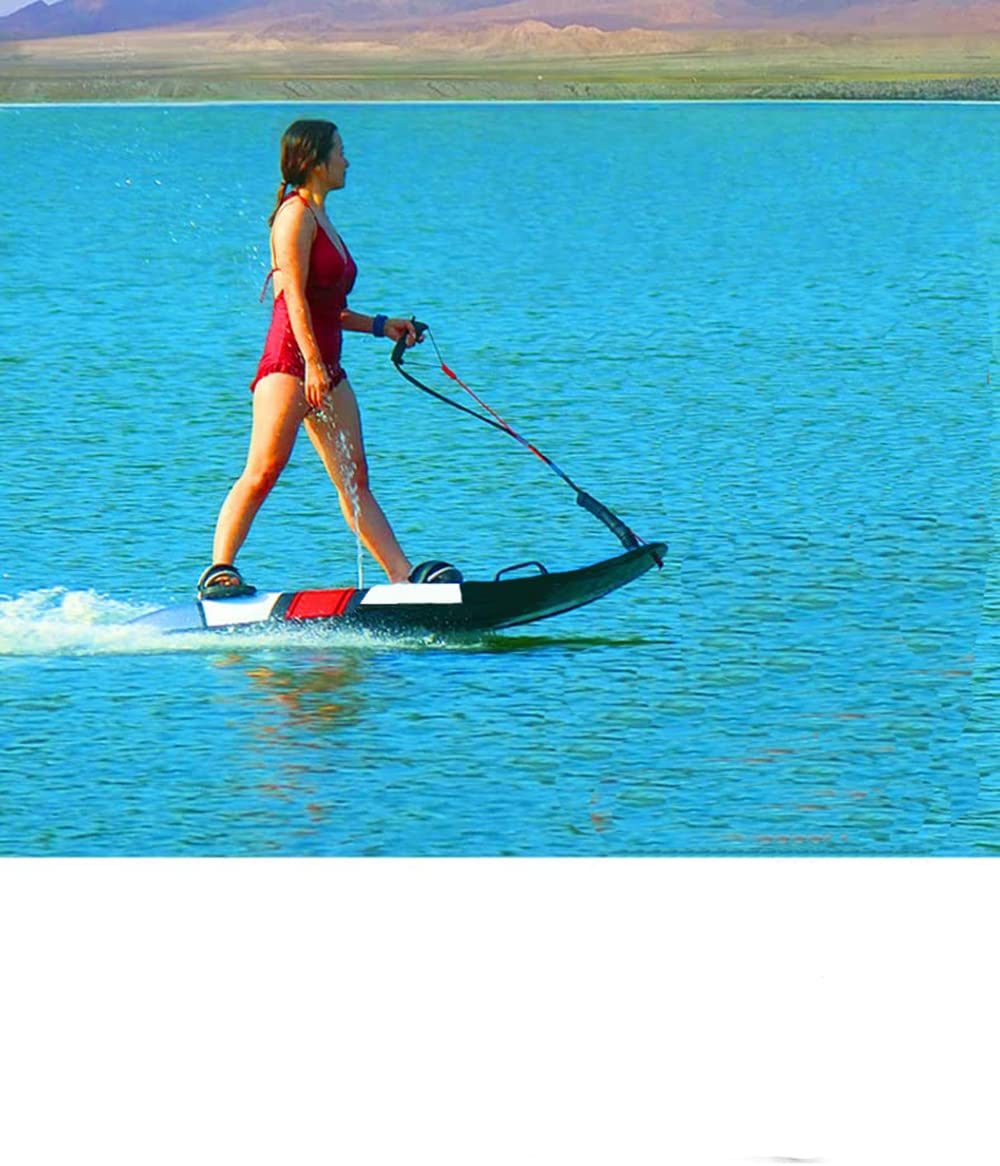
A regular surfboard depends on waves, timing, and ocean conditions. A gas powered jetboard changes that experience by adding an engine and jet propulsion system, allowing experienced riders to enjoy surfing-style movement on lakes, rivers, reservoirs, and open-water areas where waves may not be available.
This guide explains how a motorized surfboard works, who it is best for, how it compares with a traditional surfboard, and what to check before choosing a carbon fiber jetboard such as the DLE EFI series.
Shop Gas Powered JetboardsView DLE Jetboard

What Is a Gas Powered Jetboard?
A gas powered jetboard, also called a motorized surfboard or powered surfboard, is a compact board with an engine, jet propulsion system, control handle, and onboard fuel system. Instead of waiting for waves, the rider controls speed through the throttle and uses balance and body position to steer across the water.
The DLE Jetboard uses carbon fiber board construction and an EFI engine control system. Carbon fiber helps reduce weight while keeping the board structure strong, and EFI helps deliver more controlled engine response during acceleration and turning.
Gas Powered Jetboard vs Regular Surfboard
| Feature | Regular Surfboard | Gas Powered Jetboard |
|---|---|---|
| Power source | Waves and rider paddling | Gasoline engine and jet propulsion |
| Where it can be used | Best in surf conditions | Lakes, rivers, reservoirs, coastal water, and approved open-water areas |
| Learning focus | Wave reading, paddling, pop-up timing | Throttle control, balance, turning, speed management |
| Best for | Traditional surfing and wave riding | Experienced water sports riders, resorts, rental operators, clubs, and motosurf training |
Why Riders Choose a Motorized Surfboard
The biggest advantage is freedom from wave conditions. A motorized surfboard lets riders enjoy a surfing-style experience even when the water is flat. This makes it appealing for riders who live near lakes or reservoirs, as well as resorts and clubs that want a more flexible water sports activity.
- No waves required: Ride on flat water in approved areas.
- Strong acceleration: Jet propulsion provides quick response for sport riding.
- Carbon fiber board body: Lightweight construction supports handling and transport.
- EFI engine system: Designed for smoother engine response and more precise fuel control.
- Multiple performance options: Choose a model based on riding level and speed preference.

Which DLE Jetboard Model Should You Choose?
The DLE EFI series includes several model options. The right choice depends on experience level, intended use, and how much speed and power the rider wants.
| Model | Best For | Key Specs |
|---|---|---|
| DLE106-EFI | Recreational riders and first-time jetboard users | 106cc, 7.2kW max power, up to 55 km/h |
| DLE118-EFI | Riders who want a balanced performance model | 118cc, 8.5kW max power, up to 60 km/h |
| DLE106SP-EFI | Advanced riders and high-speed motosurf training | 106cc, 12kW max power, up to 68 km/h |
Who Is a Gas Powered Jetboard Best For?
A gas powered jetboard is not a casual toy. It is a high-speed water sports product for trained users, confident riders, and buyers who understand local rules for powered watercraft. It can be a strong choice for:
- Experienced water sports riders who want more speed and control
- Lake, river, and reservoir riders who do not have regular surf conditions
- Resorts, rental businesses, beach clubs, and water sports operators
- Motosurf training centers and advanced riders
- Customers looking for a premium carbon fiber powered surfboard

Safety and Buying Checklist
Before buying any motorized surfboard, customers should confirm the riding environment, local regulations, maintenance expectations, and required safety gear. A powered board should only be used in approved water areas with enough open space and proper supervision.
- Check local watercraft and boating rules before riding.
- Wear a life jacket, helmet, and suitable protective gear.
- Use only in approved open-water areas away from swimmers and crowded zones.
- Read fuel, oil mix, battery, and maintenance requirements carefully.
- Choose a model that matches rider experience, not only top speed.
- Contact support before ordering if you need help choosing a model.
FAQ
Do you need waves to ride a gas powered jetboard?
No. A jetboard uses engine power and jet propulsion, so it can be used on suitable flat water areas where local rules allow powered water sports.
Is a motorized surfboard good for beginners?
It is best for adults and riders with water sports experience. New riders should start slowly, use full safety gear, and ride only in controlled areas.
What is the benefit of carbon fiber construction?
Carbon fiber helps keep the board structure lightweight and strong, which supports handling, transport, and performance.
Which model is best for speed?
The DLE106SP-EFI is the advanced performance option, with higher max power and a higher listed top speed than the recreational models.
Final Thoughts
A regular surfboard is still the classic choice for wave riding, but a gas powered jetboard opens a different kind of water sports experience. For experienced riders who want wave-free riding, strong acceleration, and carbon fiber construction, the DLE EFI motorized surfboard series is worth comparing carefully.
Explore the current YONTYEQ surfboard and jetboard options here: Gas Powered Jetboard Surfboards.
Share:
YONTYEQ Y5 Slingshot Video: Compact Aluminum Design for Outdoor Target Practice
Portable Handheld Turbo Fan Buying Guide: 3600mAh, USB-C and 5-Speed Airflow